The Pentagon is planning for 90 days without the grid. What does that mean for your house?
The FORTRESS initiative, what's confirmed, what isn't, and the sensible household version of the same idea.
What's actually been reported
In late October 2026, Fox News reported on Pentagon documents describing an initiative called FORTRESS. Under it, every major military installation in the continental United States would be expected to sustain essential operations for at least 90 days without civilian power, water, fuel or communications. The Defense Secretary announced the programme publicly at the end of September; the 90-day figure comes from documents Fox reviewed, which haven't been published.
Within days it had been repackaged across social media as a "90-day blackout warning". It isn't one. No federal agency has told households to prepare for a 90-day outage, and the Pentagon hasn't forecast one. What it has done is decide that its own facilities should be able to cope with one. That's a planning standard, not a prediction.
The military planning for 90 days doesn't mean a 90-day outage is coming. It does mean somebody with a lot of information thinks it's worth being ready for.
What the agencies tell households
The official household guidance has been stable for years and hasn't changed with this story:
- Ready.gov (US): supplies for at least three days, including one gallon of water per person per day.
- CDC: store a two-week supply of water if you can.
- UK Government "Prepare": three days of water, food you don't need to cook, a torch, a battery or wind-up radio, and cash.
- Ireland, Finland, Japan and the Netherlands have all run similar household campaigns in the past two years.
So the gap is between 90 days for a base and 3–14 days for a home. We'd argue that gap matters less than the one between 3 days and what most homes actually have, which is roughly nothing: no stored water, no light that isn't a phone, no way to hear news if the networks go.
What goes wrong first
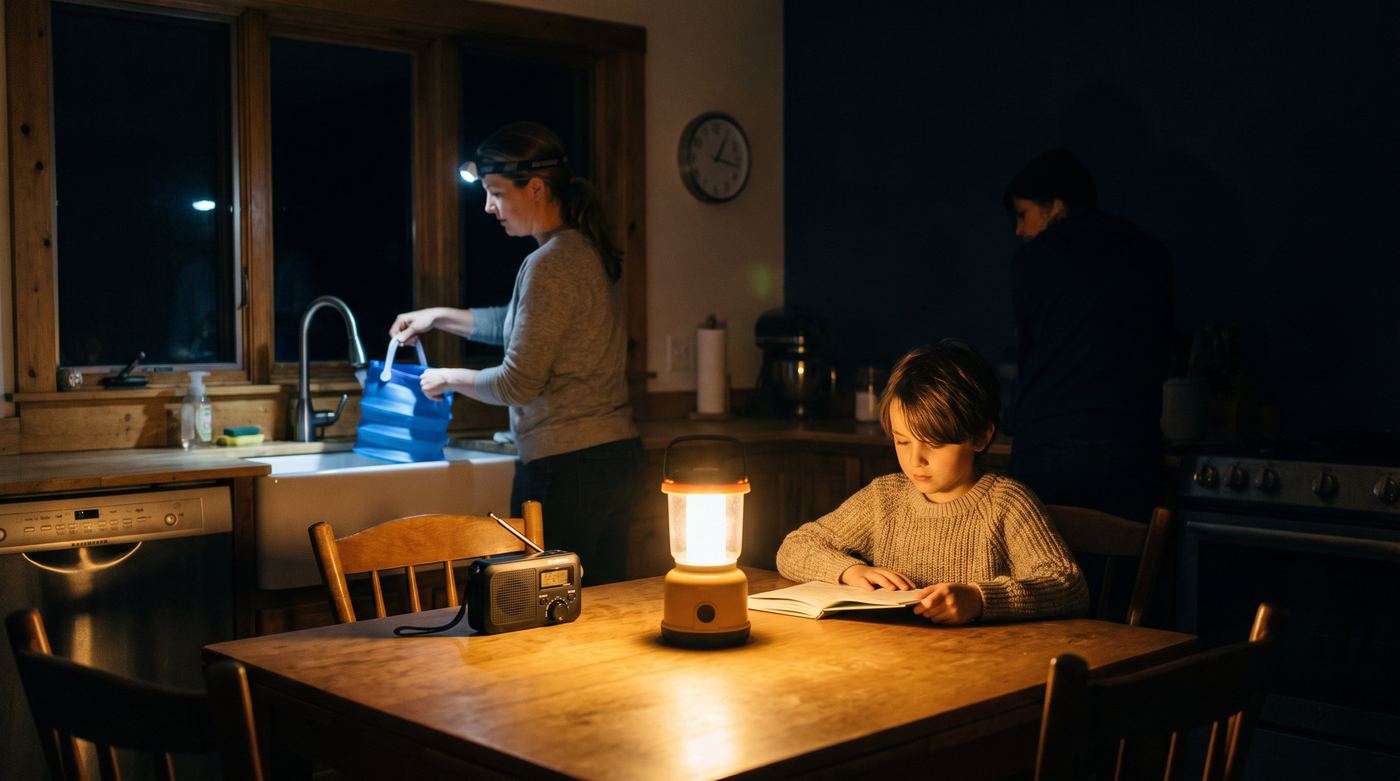
An outage isn't just dark rooms. In the first hours a typical home loses lighting, then mobile coverage (cell towers run on batteries that last four to eight hours), then card payments and fuel pumps, then refrigerated food, then — for anyone on a pumped or high-rise supply — water pressure, and with it, toilets. Heating and cooling go immediately, because boilers, heat pumps and air conditioners all need electricity to run.
That list is why we organise everything around needs rather than scenarios. It doesn't matter whether it's a storm, a cyberattack or a transformer fire; the house loses the same things in the same order.
The household version of FORTRESS
You don't need a microgrid. You need to be able to answer four questions for your home:
- Water. Do you have a gallon per person per day for at least three days, and a way to treat more? We've written up how to size this.
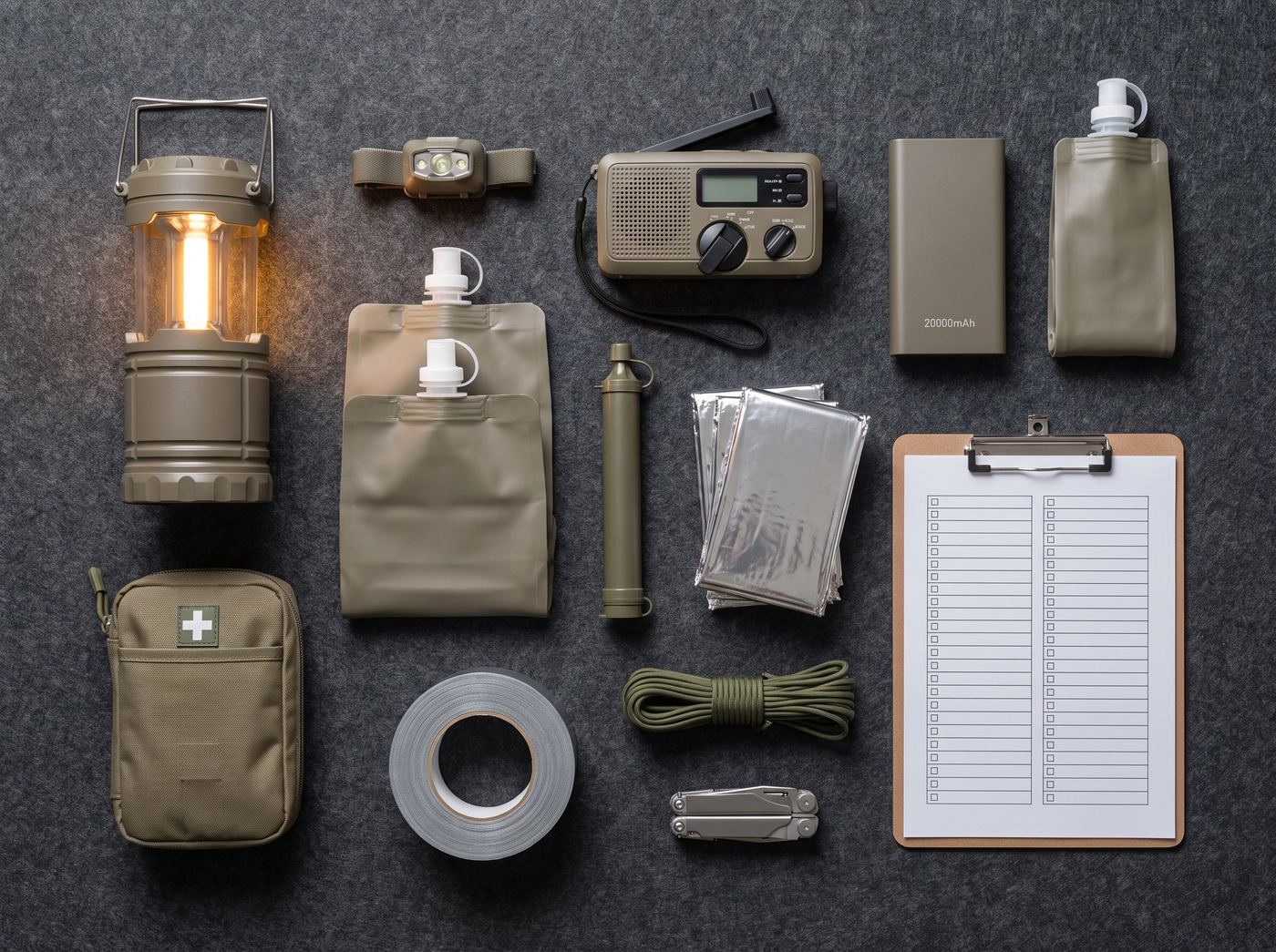
- Light and information. Is there a light in every room that isn't your phone, and a radio that doesn't need the mains?
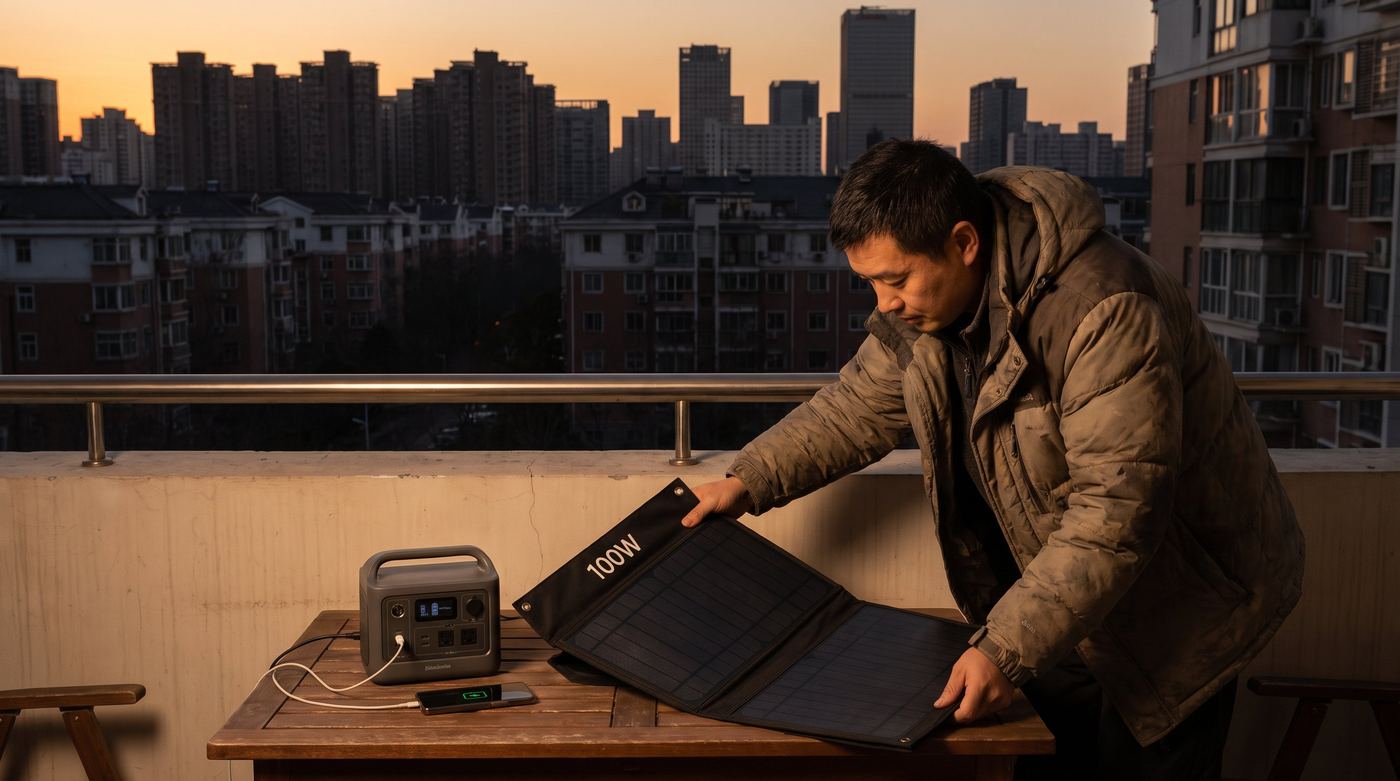
- Power. Can you keep phones charged for a week? Do you have medical equipment that needs more than that? The phone-charging piece covers this.
- Sanitation and warmth. What happens when the toilet won't flush and the heating's off? This is the part nobody plans for.
Water is the one we sell a tool for. The Survival Straw turns the creek, the rain barrel or a tap under a boil notice into drinking water, with no power and no expiry.
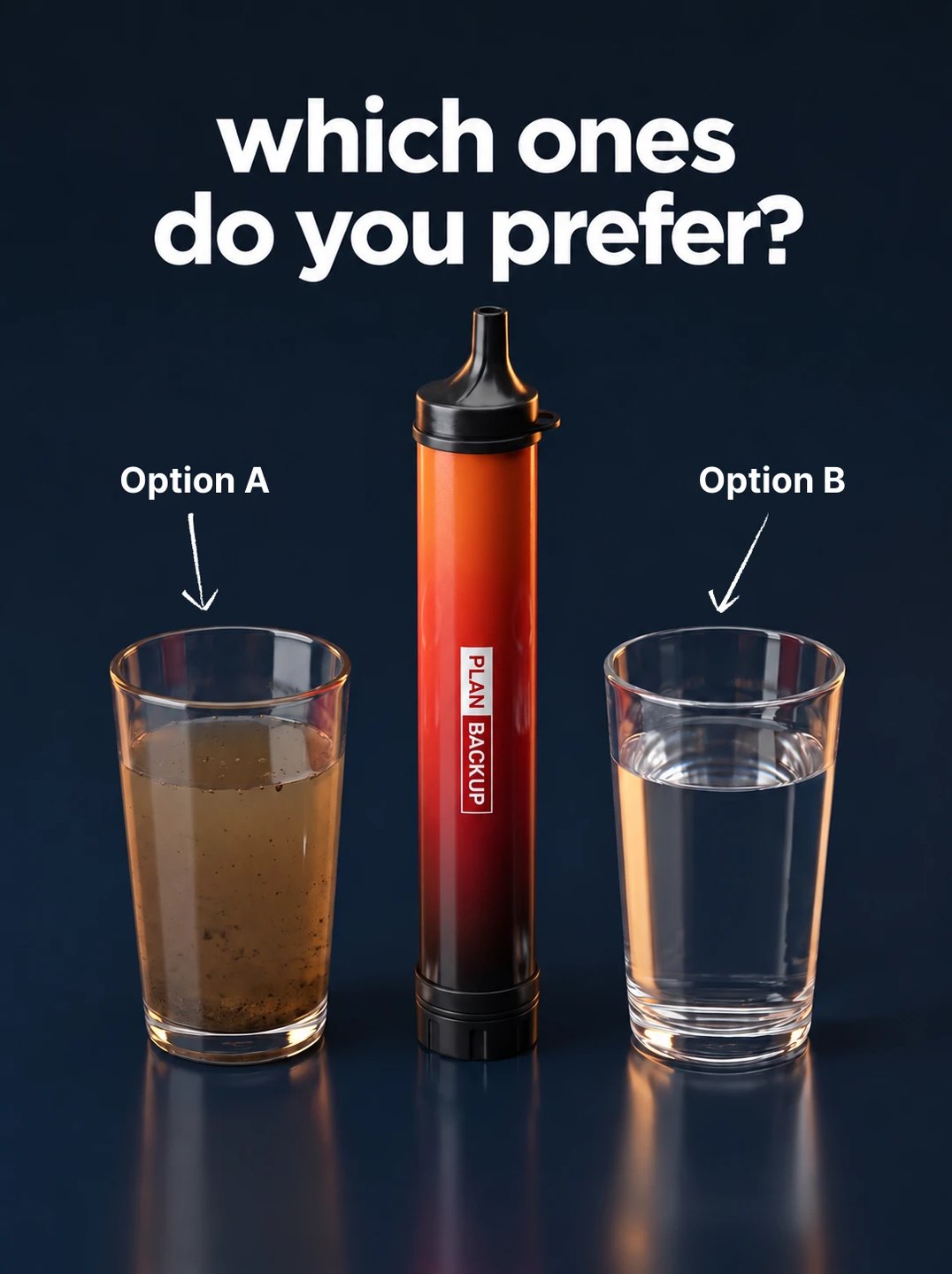
Plan Backup Survival Straw
Three-stage hollow-fibre filter: drink direct, screw onto a bottle, or filter by gravity. No power, no expiry. The 5-pack comes with two guides free.
From $29.95 · 5-pack $74.95See the strawA word on the fear
A lot of what's circulating about this story is designed to scare you into buying things. We sell preparedness gear, so take this with that in mind: the right reaction to the FORTRESS story is to spend one evening and a couple of hundred dollars getting your household to the baseline the agencies already recommend. It isn't to build a bunker, and it isn't to do nothing because the loud people are being loud.
- Fox News — Inside the Pentagon's plan to keep America fighting if global war erupts (Oct 2026)
- Ready.gov — Build a kit
- CDC — Creating and storing an emergency water supply
- UK Government — Prepare campaign
Plan Backup is an independent retailer. Articles cite official guidance where it exists and say when a recommendation is ours.